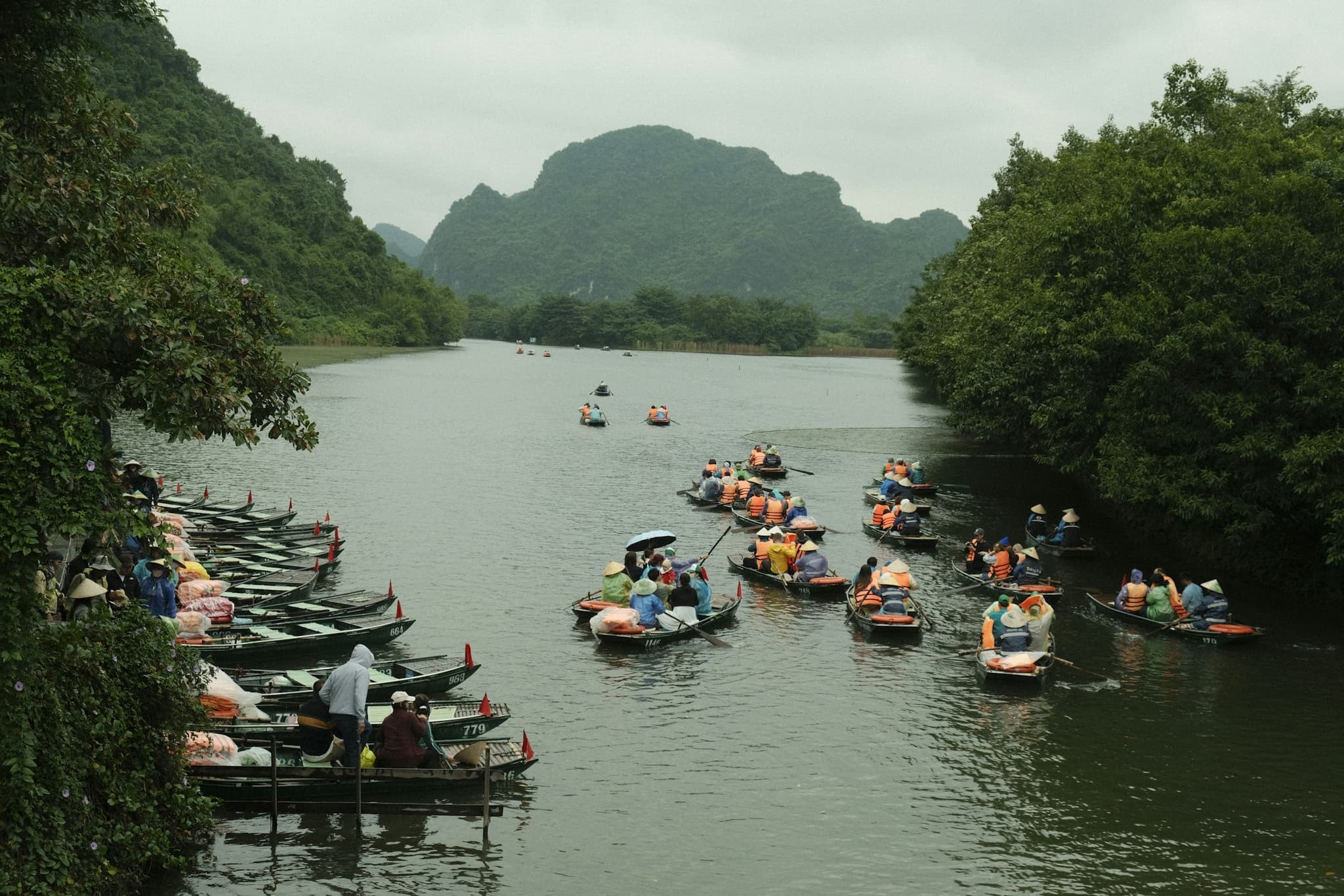
Hue’s Imperial City forms part of the Complex of Hue Monuments, recognised by UNESCO as a World Heritage property. The walled complex was central to the Nguyen dynasty’s capital from 1802 to 1945. Restoration, weather and site management can affect access to individual buildings, so check local notices and ticket arrangements close to your visit.
What Makes This Experience Special
- ✦Explore the former imperial capital within the wider Hue heritage complex
- ✦Use UNESCO’s site description to understand how the capital was planned
- ✦Allow time for walking and check access to buildings ahead of arrival
A planned capital of the Nguyen dynasty
UNESCO describes Hue as the political, cultural and religious centre of the Nguyen dynasty from 1802 to 1945. The wider monument complex includes the Citadel, Imperial City, Forbidden Purple City and associated monuments. The heritage designation covers a much larger area than one palace or gate.
For historical context, consult the UNESCO record or the Hue Monuments Conservation Centre’s current visitor information.
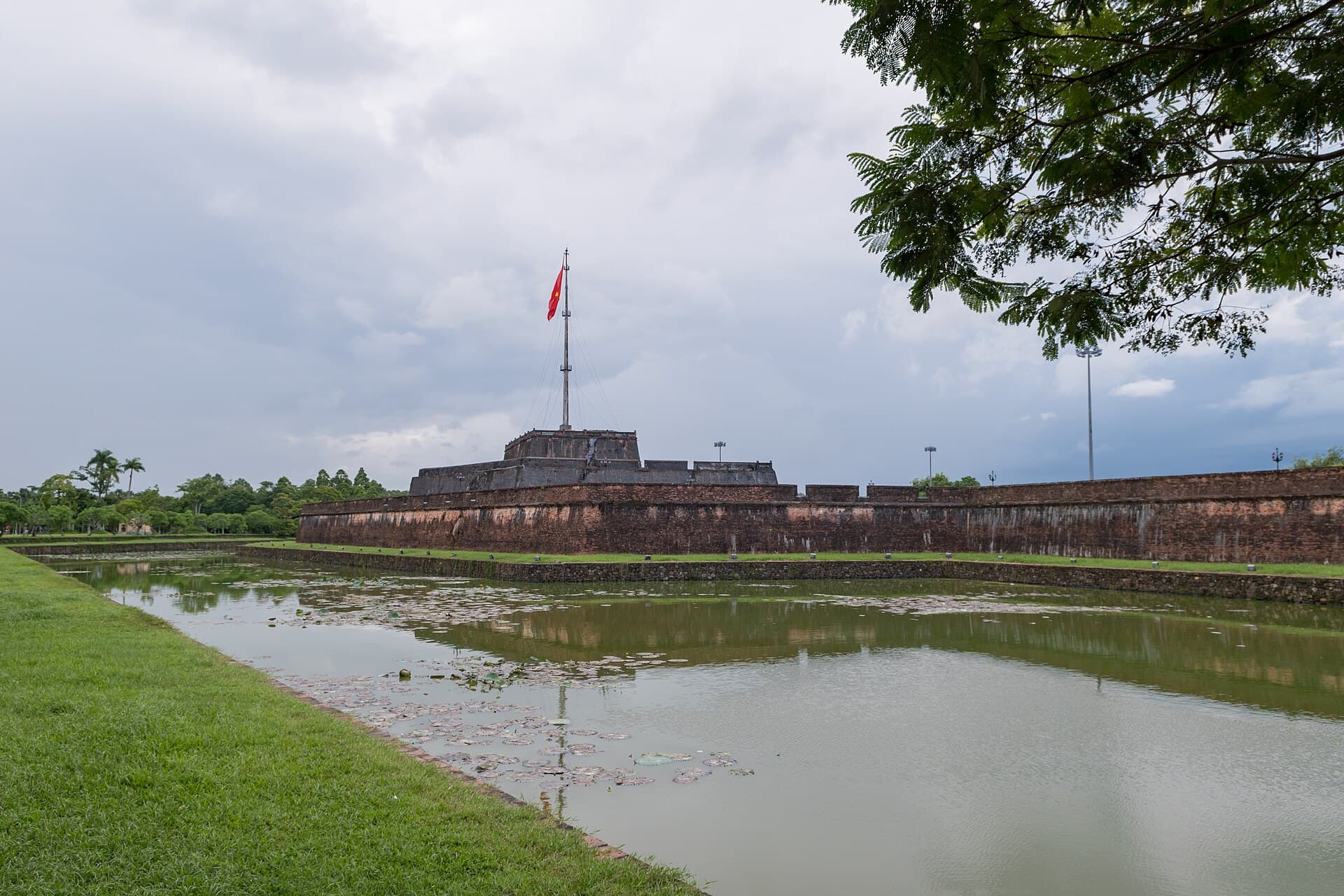
Hue heritage-site photograph; individual buildings may have access restrictions.
Make a realistic visit plan
The complex is extensive and some surfaces may be uneven or exposed to sun and rain. Wear comfortable footwear, carry water and check accessibility needs in advance. If a particular hall or exhibition matters to you, verify that it is open on your date rather than assuming every structure is accessible.
Respect conservation work and local rules
UNESCO notes ongoing conservation and restoration work across the monuments. Follow posted boundaries, photography rules and staff directions, and expect routes to change while work is underway. A local guide can add context; check what language, duration and sites are included before arranging one.