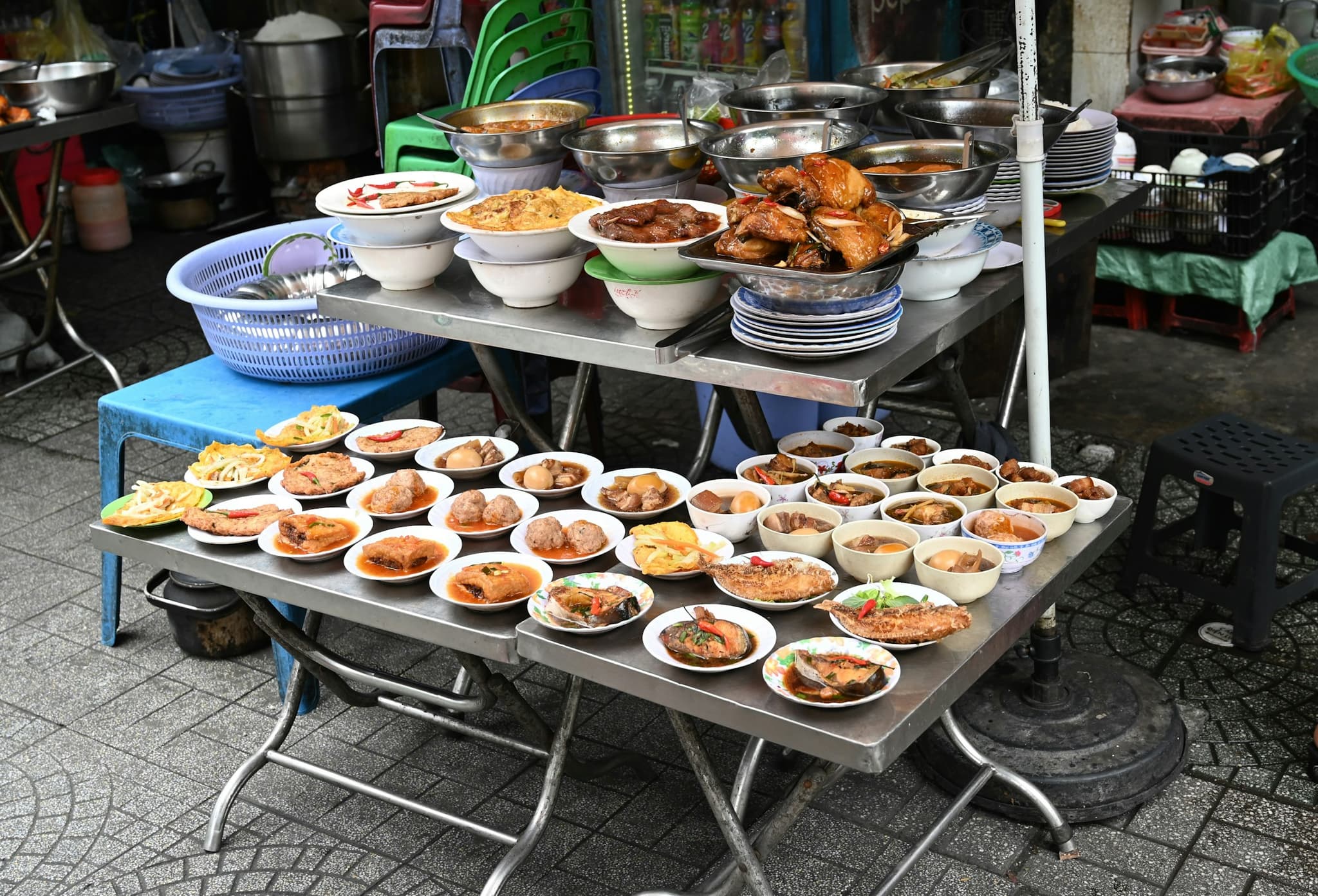
Vietnam Culinary Inspiration: A Journey Through the Country's Food Soul
A culinary journey can connect regional dishes, market visits and cooking sessions with the rest of your Vietnam route. Choose the places and class formats that interest you, then confirm the providers, menus, transfers and any dietary requirements in your proposal.
The Three Cuisines of Vietnam
The Dishes That Define Vietnam
Let us tailor this experience for you
VietnamTours travel team
Luxury Travel DesignerShare your travel priorities and ask which experiences are available for your dates.
- ✓Pho at Pho Thin, Hanoi — a masterclass in northern Vietnamese restraint
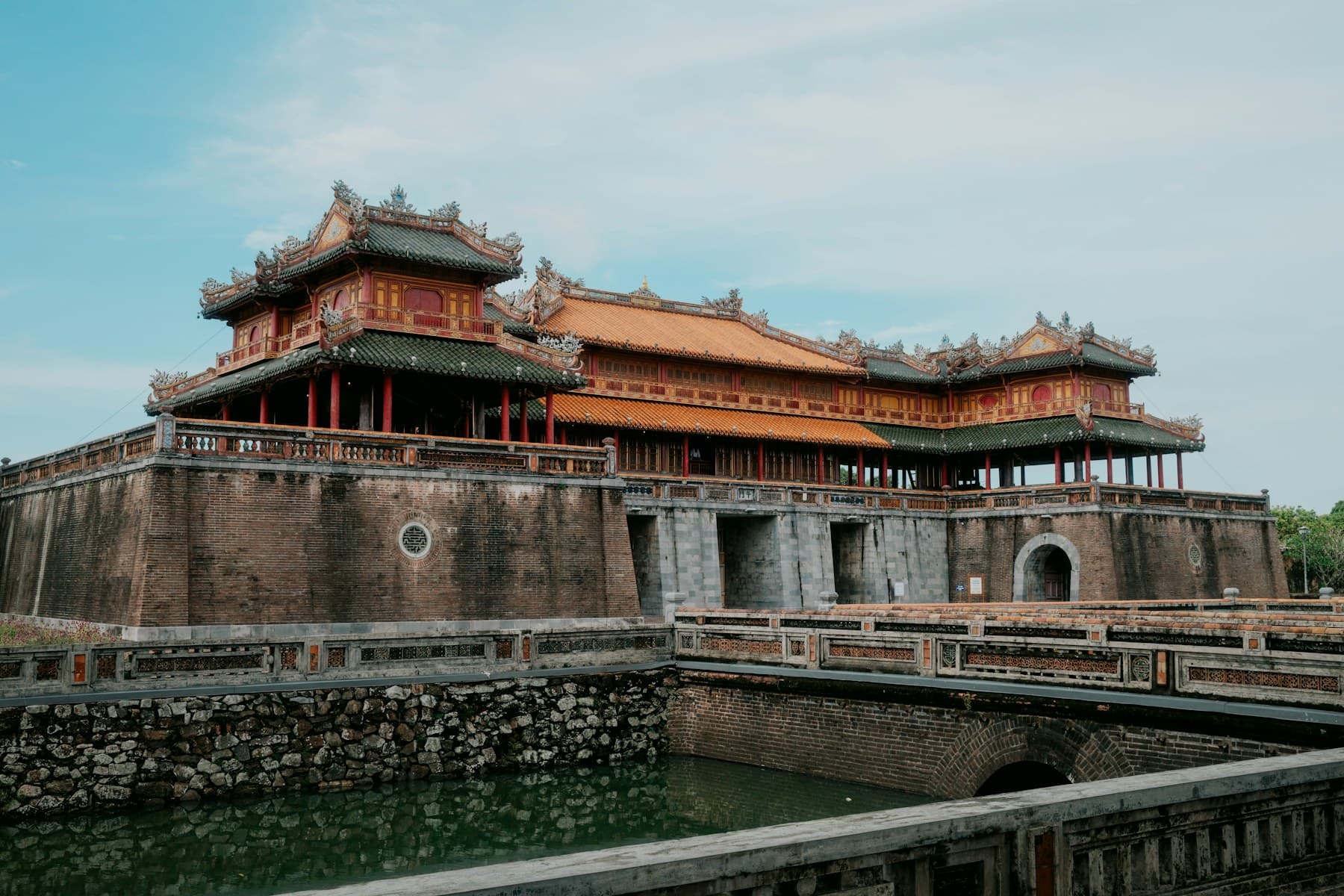
- ✓Bun bo Hue at Nguyen Chi Thanh stall — the most complex noodle soup in Vietnam
- ✓Cao lau at Ba Le Well restaurant, Hoi An — a dish that only exists in this town
- ✓Imperial banquet dinner at Madame Tuyen's garden home, Hue
- ✓Private market walk and cooking class in every major city
- ✓Mekong Delta boat kitchen: cooking on a floating market river vessel
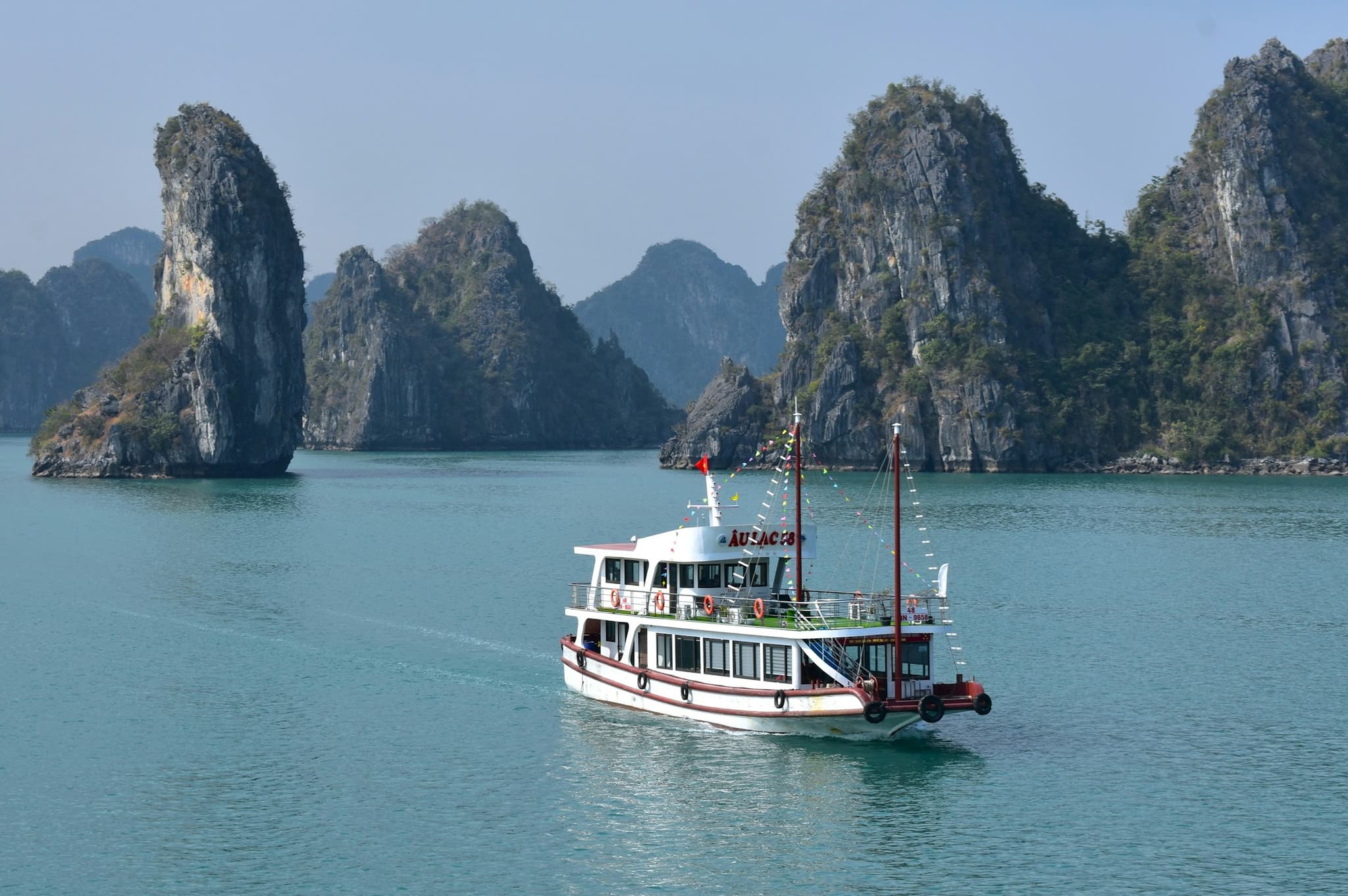
- ✓Cave dining on Halong Bay: the most spectacular meal setting in Vietnam
- ✓Regional wine and spirit tasting: rice wines, fruit wines, and Vietnamese craft beer
Recommended Private Tours
Frequently Asked Questions
What is the best food city in Vietnam?
+Hoi An produces the most unique and distinctive cuisine — dishes that exist only in this town and nowhere else. Hanoi produces the most disciplined and perfectly executed food. Hue produces the most complex and ceremonially interesting cuisine. Saigon produces the greatest diversity. Every answer is defensible; every city deserves at least one full day of eating.
Is Vietnamese food generally spicy?
+Less spicy than most people expect. Northern Vietnamese food is not spicy at all. Central Vietnamese food can be quite hot (bun bo Hue especially). Southern Vietnamese food uses more chilli than the north but is still manageable for most Western palates. Spice is almost always added at the table, so you can control your own level.
Can I bring home Vietnamese ingredients?
+Yes — fish sauce (Phu Quoc nuoc mam is the finest), dried rice noodles, pho spice packets, and Vietnamese coffee grounds all travel well and are freely available in good condition. Fresh herbs and produce cannot be brought back to the UK. Phu Quoc fish sauce, in particular, is one of the great food souvenirs.
Are Vietnamese cooking classes worth doing?
+A cooking class may include a market visit, a private instructor or a group demonstration, depending on the provider. Ask what is included, where it starts, how many people attend, which dishes are taught and whether dietary needs can be accommodated before booking.
What is Vietnamese coffee?
+Vietnamese coffee is made from dark-roasted robusta beans brewed through a small drip filter (phin) directly over sweetened condensed milk. It is strong, sweet, and completely unlike European espresso. Iced (ca phe da) or hot (ca phe nong), it is one of the great pleasures of travelling in Vietnam. The egg coffee (ca phe trung) of Hanoi — espresso topped with a meringue-like mixture of egg yolk and condensed milk — is extraordinary and must be tried.
Explore Other Curated Inspirations
Design Your Culinary Vietnam Journey
Our food specialists build culinary itineraries around the dishes, the markets, the kitchens, and the restaurants that genuinely define Vietnamese food culture.