Where will your journey lead?
© 2026 Vietnam Tour. All rights reserved.
First Time in Vietnam: Your Complete Planning Guide
FIRST TIME

First Time in Vietnam: Your Complete Planning Guide

Home>Trip Ideas>First Time Guide

Vietnam is one of the most rewarding first-time travel destinations in the world, and also one of the most commonly under-planned. The country is longer than many people expect (1,650 kilometres from north to south — longer than the UK), more varied than its reputation suggests, and considerably more demanding of planning than a package beach holiday. The good news: done correctly, a first visit to Vietnam produces one of those trips people talk about for the rest of their lives. This guide covers everything you need to know before you book.

How Much Time Do You Need?

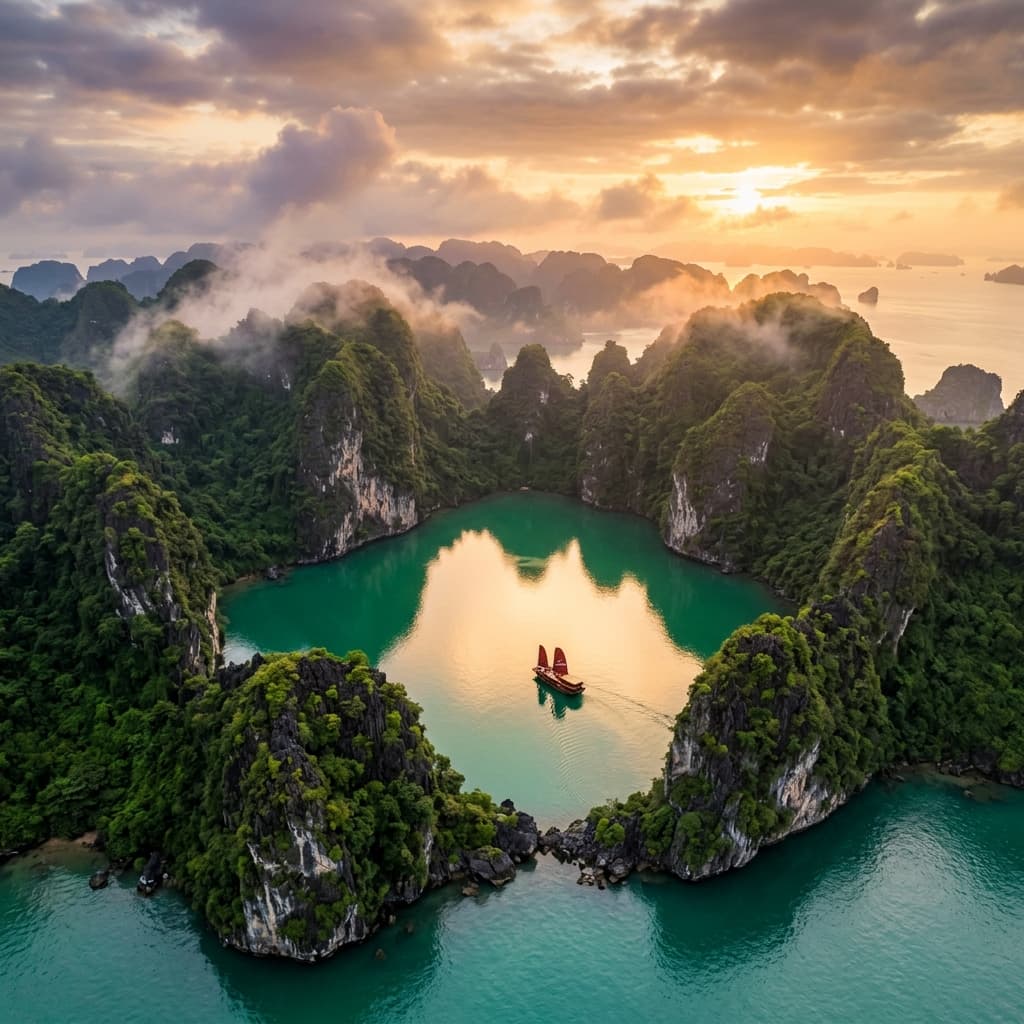
Ten days is the absolute minimum for a meaningful first visit. Two weeks is the recommended standard. Three weeks is ideal if you want to add Sapa and Phu Quoc Island to the classic route without feeling rushed. The single most common mistake first-time visitors make is trying to see too much in too little time — stringing together seven cities in ten days and experiencing each one only superficially. Our recommendation for a two-week first visit: Hanoi (3 nights) → Halong Bay cruise (2 nights) → Hue (2 nights) → Hoi An (3 nights) → Ho Chi Minh City (2 nights). This covers the country's essential highlights at a genuinely comfortable pace. It can be adjusted in either direction depending on what interests you most.
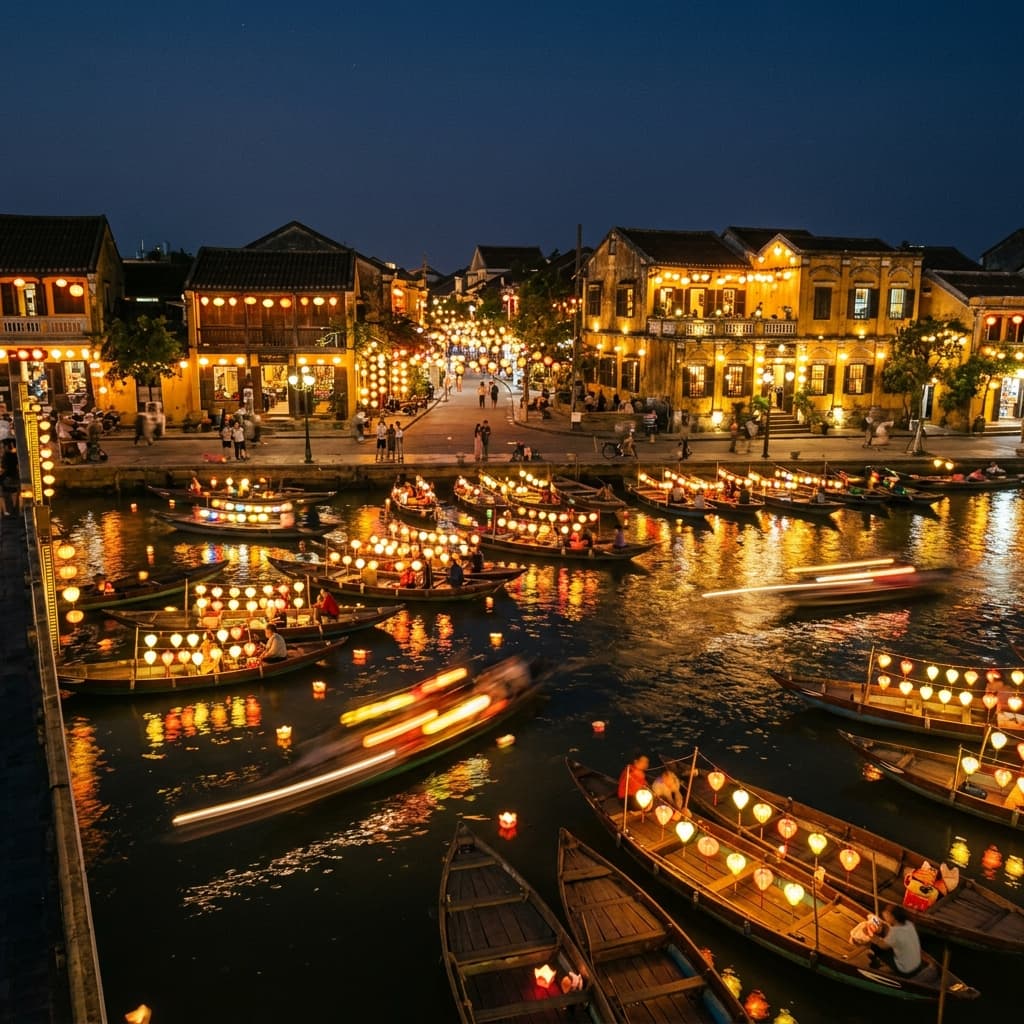
Hoi An ancient town with traditional yellow buildings and paper lanterns
Hoi An's ancient town — the highlight of almost every first-time visitor's Vietnam itinerary, and a destination that rewards at least three full days.

The Essential Practical Information

Visas: UK citizens can apply for a 90-day e-Visa online at evisa.gov.vn (US$25, approval usually within 24 hours). Most Western European nationalities have similar arrangements. Always check current requirements before applying — the rules update periodically. Money: The Vietnamese Dong (VND). Approximately 30,000 VND to £1. ATMs are widely available in cities; BIDV and Vietcombank machines are most reliable. Card payment is accepted at hotels and restaurants; markets and street food are cash only. Health: The NHS recommends Hepatitis A, Typhoid, and current Tetanus vaccines for Vietnam. Malaria prophylaxis for rural/jungle areas — your GP will advise based on your specific itinerary. Travel insurance is essential and non-negotiable. Language: English is widely spoken in tourist areas, hotels, and restaurants. Vietnamese is a tonal language that very few short-term visitors learn beyond basic pleasantries — a good phrasebook or translation app covers the small gaps.

The Regions: What to Know Before You Choose
Vietnam's three distinct regions have different characters, climates, and cuisines. The north (Hanoi, Halong Bay, Sapa, Ha Giang) is cooler, more traditional, and culinarily austere — the food here is precise and refined. The centre (Hue, Hoi An, Da Nang) is where Vietnam's cultural density is highest — UNESCO heritage towns, imperial architecture, and the country's most complex food traditions. The south (Ho Chi Minh City, Mekong Delta, Phu Quoc) is hotter, more energetic, and more Chinese-influenced in both food and character. Weather varies significantly between regions. The north has four seasons (cool and misty in winter, hot and humid in summer). The centre has a distinct wet season (October to December). The south is hot year-round with a wet season (May to October). The advantage of Vietnam's length is that when one region is in its wet season, another is in its best weather — there is always a good time to visit somewhere.
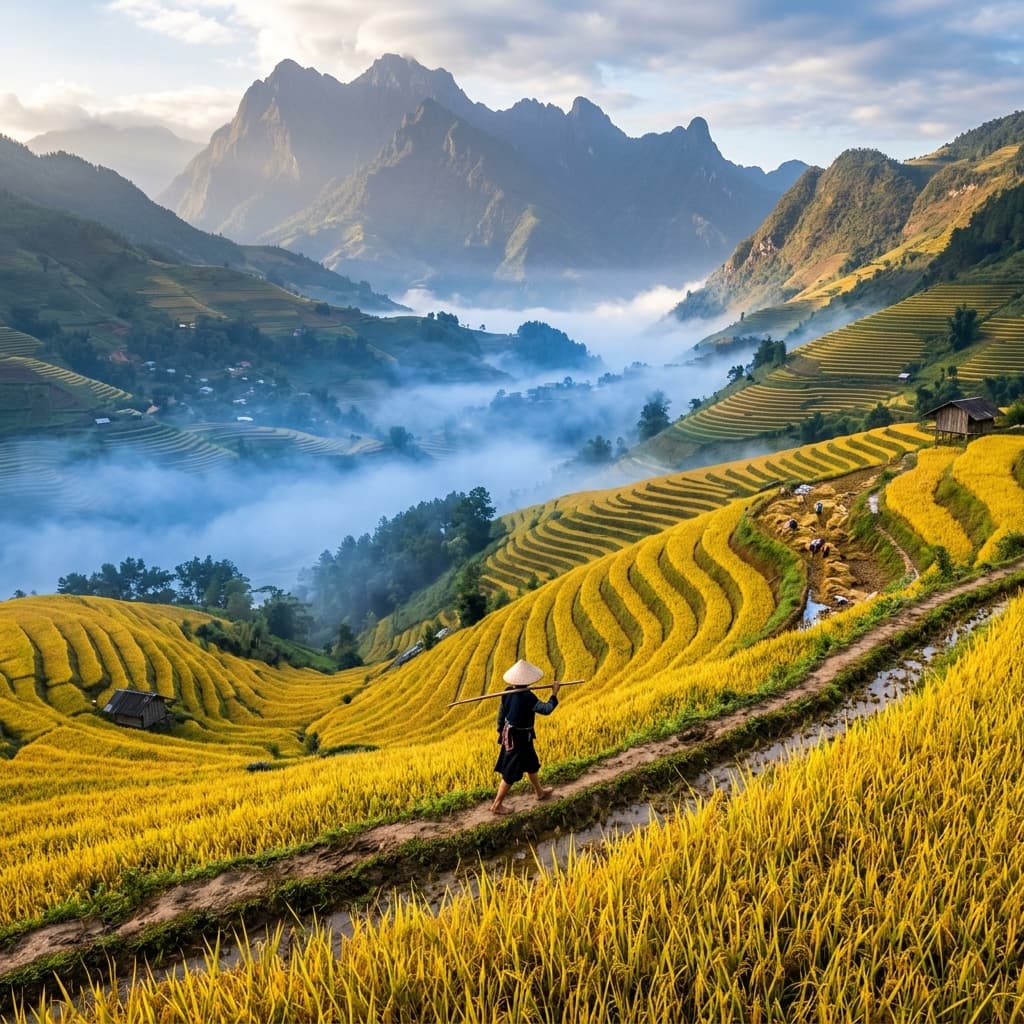
Misty morning over rice terraces and mountains in Sapa northern Vietnam
Sapa in the northern highlands — a very different Vietnam from the coastal cities, and one of the country's most rewarding additions to a first-time itinerary.
Bespoke Planner

Let us tailor this experience for you

Alice Mercer

Alice Mercer

Senior Indochina Specialist

"I have designed hundreds of customized trips. Tell me what inspires you, and I will build the ultimate personal itinerary."

Trip Highlights
  • Recommended two-week first itinerary: Hanoi → Halong Bay → Hue → Hoi An → Ho Chi Minh City
  • Visa: UK e-Visa available online, 90 days, US$25, 24-hour approval
  • Best time: Spring (Feb-April) and Autumn (Aug-Oct) for most regions
  • Private guide and driver: the single biggest upgrade to any first-time visit
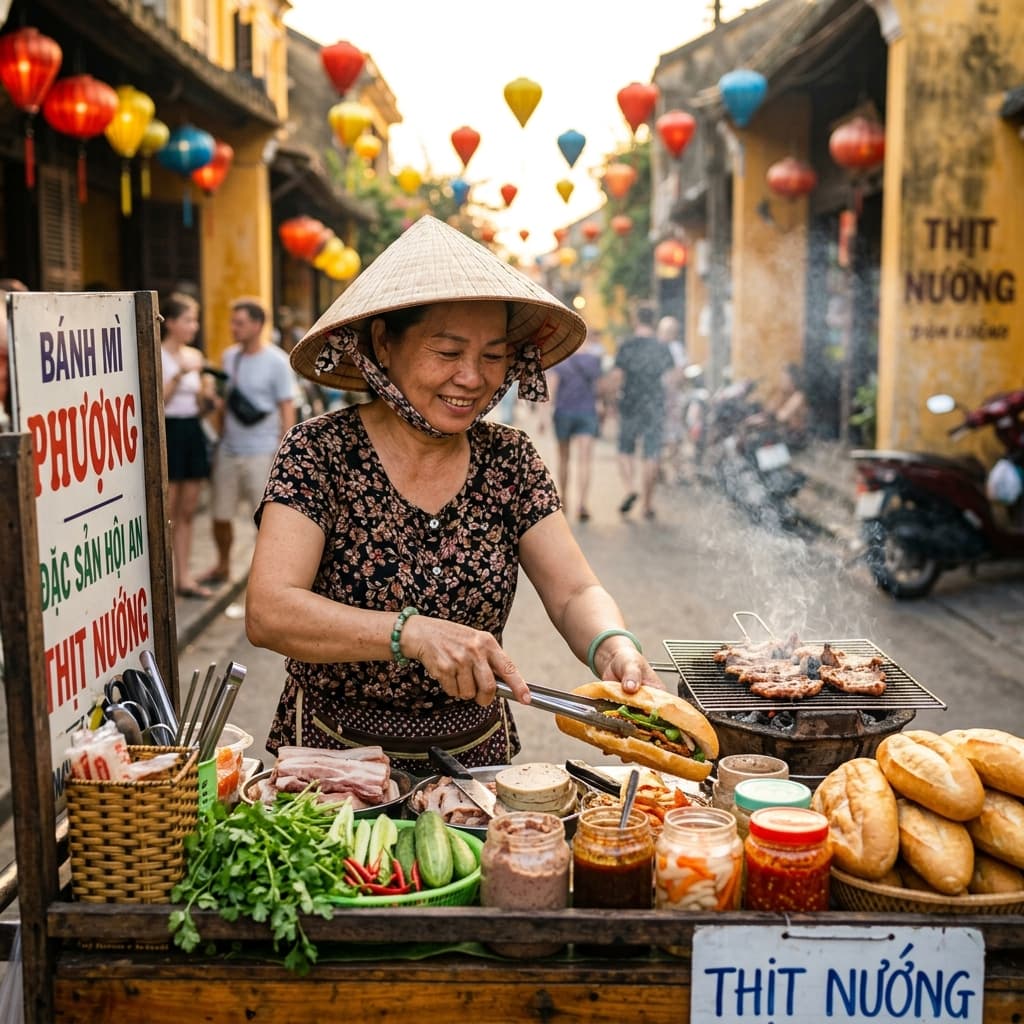
  • Food to try: pho (Hanoi), bun bo Hue (Hue), cao lau (Hoi An), banh mi (everywhere)
  • Top first-time cultural experiences: Halong Bay cruise, Hoi An evening market, Hue Citadel
  • What to avoid: over-scheduling, under-budgeting for quality hotels, shared group tours
  • Budget guidance: quality private tours from approximately £180-300 per person per day
Signature Journeys

Recommended Private Tours

The Grand Tour of Vietnam
VIETNAM PRIVATE TOUR

The Grand Tour of Vietnam

14 Days from £6,950pp

Vietnamese Culinary & Culture Journey
VIETNAM PRIVATE TOUR

Vietnamese Culinary & Culture Journey

10 Days from £5,200pp

Indochine Romance & Beach Escape
VIETNAM PRIVATE TOUR

Indochine Romance & Beach Escape

12 Days from £7,800pp

Highlights of Vietnam Tour
VIETNAM PRIVATE TOUR

Highlights of Vietnam Tour

12 Days from £4,150pp

Expert Insights

Frequently Asked Questions

Is Vietnam safe for first-time visitors?

Yes. Vietnam is generally a very safe destination for tourists. The main risks are petty theft (bag snatching on motorbikes in busy Old Quarter areas) and traffic — Vietnamese road traffic is dense and requires pedestrian confidence. Violent crime against tourists is extremely rare. Women travelling solo consistently report Vietnam as one of the safer countries in Southeast Asia.

Should I book a tour or travel independently?

For first-time visitors, a private guided tour delivers significantly better value and experience than independent travel. A private guide provides access, context, and logistics management that transforms the same sights into genuinely different experiences. After your first trip, you will have the local knowledge to travel independently with confidence.

What should I pack for Vietnam?

Light, breathable clothing (the country is hot most of the year). A light layer for Sapa, Halong Bay evenings, and air-conditioned restaurants. Modest clothing (shoulders and knees covered) for temple visits. Good walking shoes (street surfaces are uneven). Insect repellent for rural areas. Sun protection for beach destinations.

How much should I budget for a two-week private Vietnam tour?

A comfortable private tour with 4-star hotels, private guide and driver, all domestic flights, and most meals typically costs £180-220 per person per day. Luxury 5-star accommodation and ultra-premium experiences move this to £250-400+ per person per day. We can design itineraries at any budget level.

Can I combine Vietnam with neighbouring countries on a first trip?

Possible, but not recommended for a first visit of under three weeks. Vietnam alone contains more than enough to fill two or three visits. Adding Cambodia (Angkor Wat) as a short extension is feasible; a combined Indochina tour (Vietnam, Cambodia, Laos) needs at least 21 days to do any of the three countries justice.
Tailor-Made Design

Talk to a First-Time Vietnam Specialist

Our specialists have helped hundreds of first-time visitors plan trips that exceeded every expectation. No question is too basic, no detail too small.