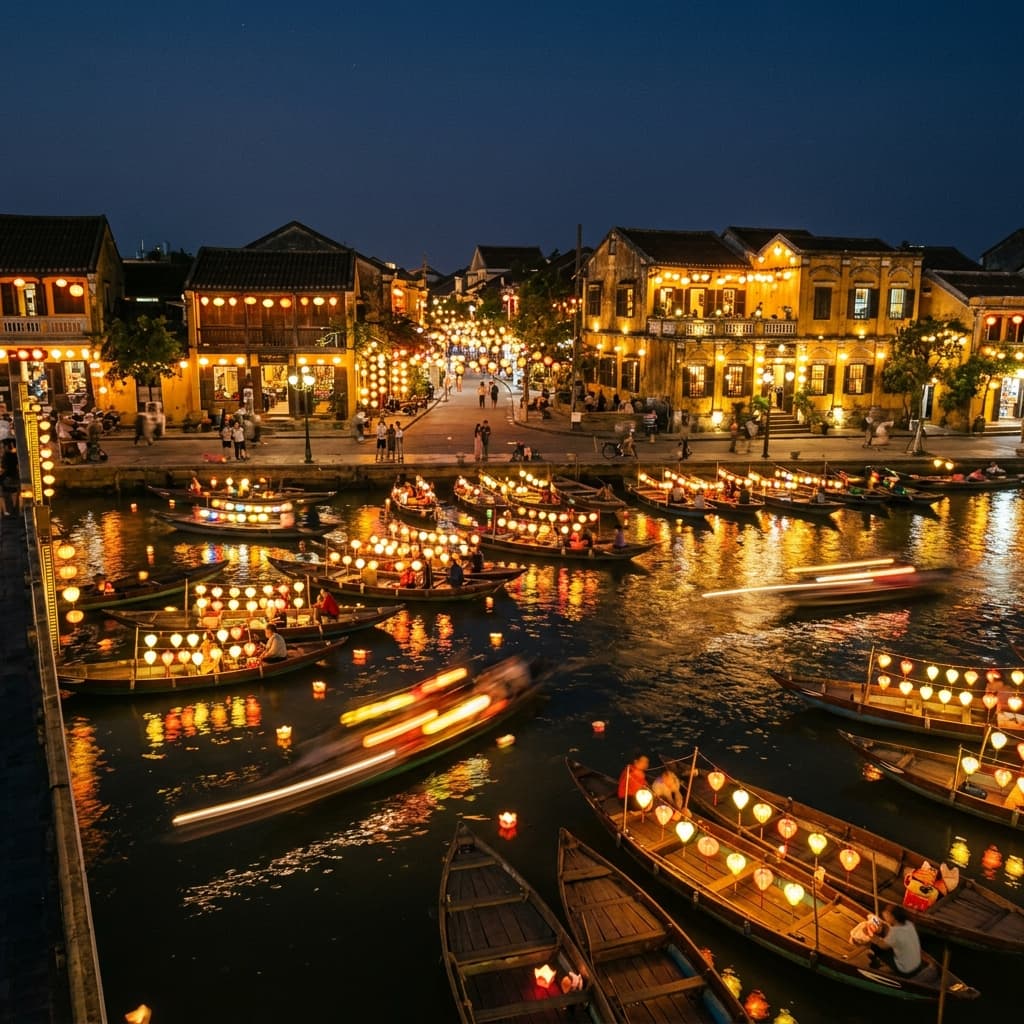
In the late afternoon, when the tour groups have retreated to their hotels and the heat begins to soften, Hoi An becomes something close to magical. The 16th-century Japanese Covered Bridge glows amber in the fading light. The Thu Bon River carries small wooden boats piled with chrysanthemums to market. The smell of white rose dumplings and cao lau drifts from open-fronted restaurants. It is one of those rare places that still surprises you even when you know exactly what you are coming to see.
The Ancient Town: What to See and When
The Ancient Town is compact — you can walk its full length in 20 minutes — but deserves at least two days. The Japanese Covered Bridge (Chùa Cầu) is the iconic image, but go in the early morning before 8am to have it to yourself. The Tan Ky Merchant House on Nguyen Thai Hoc Street gives the best insight into how a prosperous trading family lived in the 18th century: three floors, a rooftop garden, a basement revealed by the annual floods. The Phung Hung Old House nearby is slightly less visited and equally beautiful.
The Food: A Culinary Destination in Its Own Right
Hoi An's cuisine is distinct from the rest of Vietnam. White rose dumplings (bánh vạc), cao lầu noodles made with water from a specific ancient well, fried wonton with tomato sauce — these dishes exist only here. Eat them at humble local restaurants, not the tourist-facing venues on the main drag. Morning Glory (do not be put off by the name) on Trần Phú has an excellent cao lầu. For the best bánh mì in Vietnam — not a claim I make lightly — go to Bánh Mì Phượng on Phan Châu Trinh before 9am.
Beyond the Ancient Town: The Hoi An Most Visitors Miss
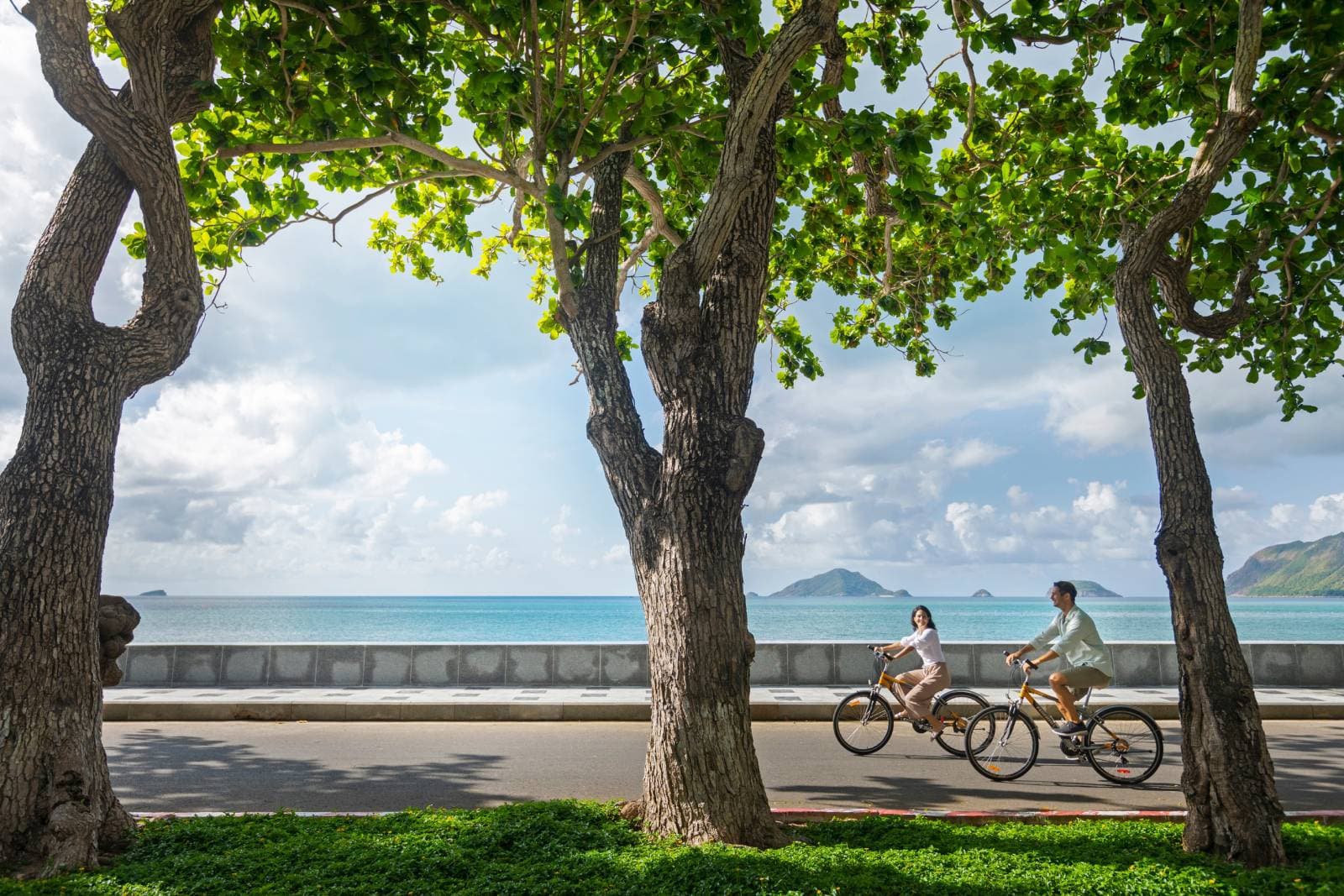
Rent a bicycle at your hotel (all good properties provide them free of charge) and cycle north to Tra Que vegetable village: 15 minutes through paddy fields and irrigation canals, absolutely flat, a complete change of pace from the town's intensity. Further north on An Bang Beach, the scene is relaxed and less developed than Da Nang — good beach clubs, excellent seafood, and enough sand to find a quiet spot even in high season.
One evening, take a boat from the town centre upriver to My Son Sanctuary — the Cham ruins that predate Hoi An's merchant era by a thousand years. At dusk, with the crowds gone and the stones turning gold, it is as atmospheric as Angkor at its best.
Where to Stay
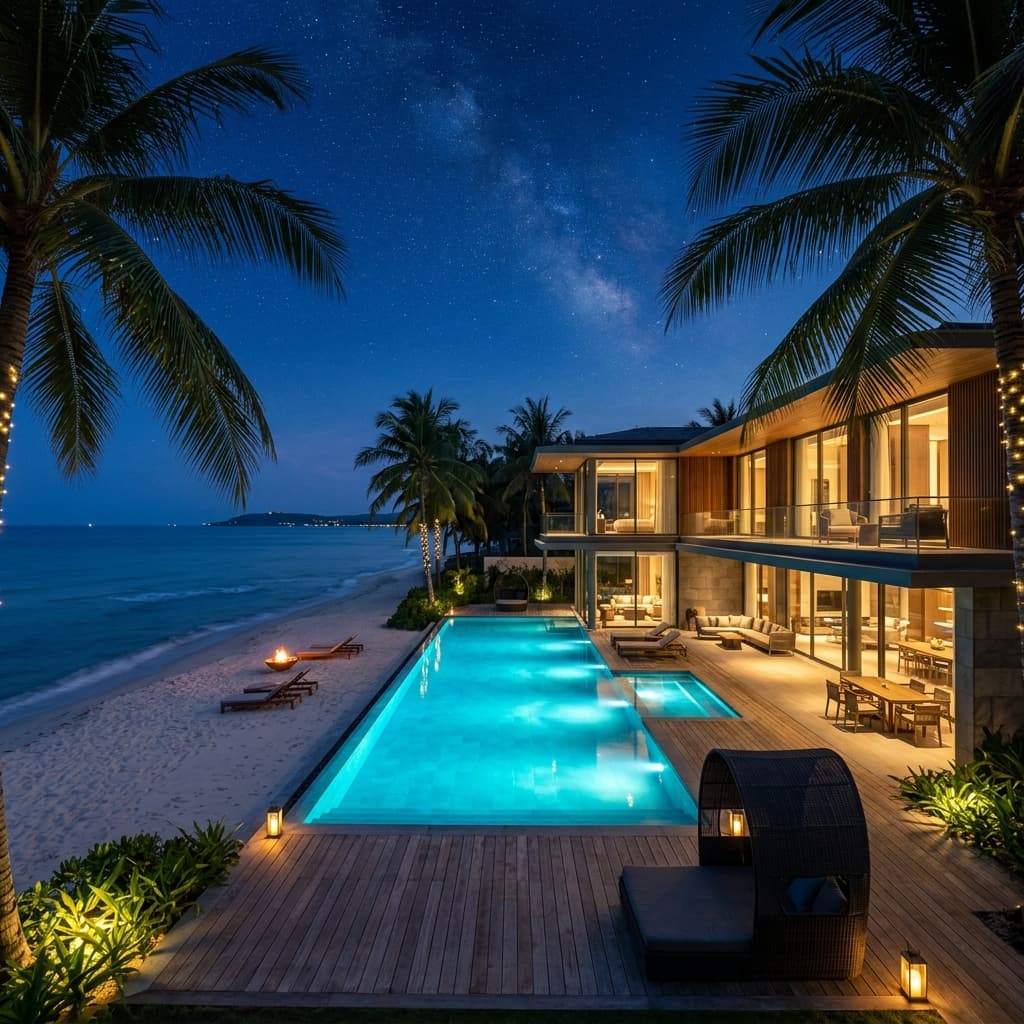
The best properties are outside the Ancient Town's pedestrianised core. The Four Seasons Nam Hai, 20 minutes north at Ha My Beach, is Vietnam's most elegant resort: three pools (one per beach), perfect villas, extraordinary food. Closer to town, Anantara Hoi An sits directly on the river and provides a traditional-facing room experience that balances charm with genuine comfort.
Speak to a Vietnam specialist

Alice Mercer
Senior Vietnam Travel Specialist